What Makes a Task Important?

by | Mar 26, 2026

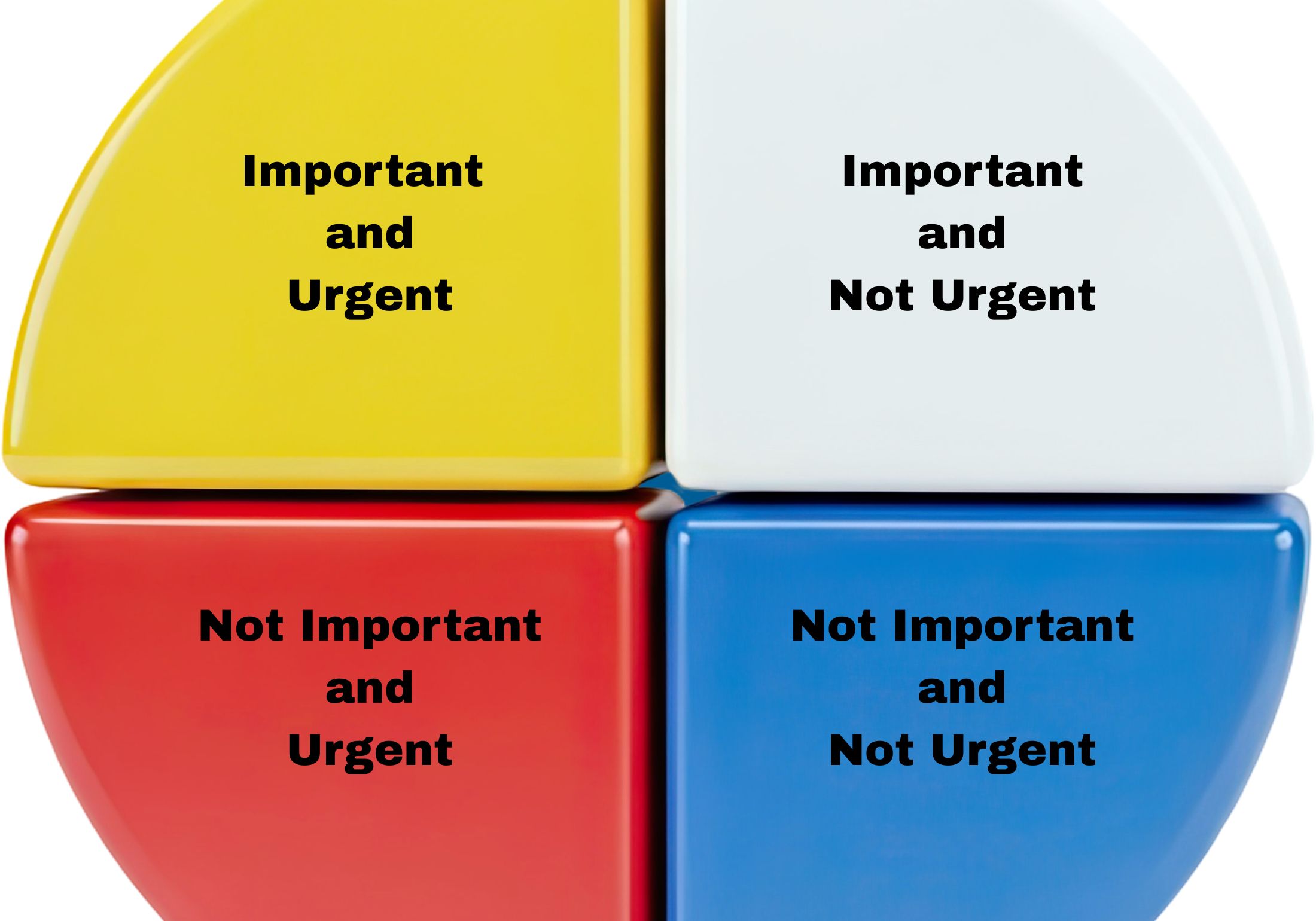
You’re probably familiar with the “important vs. urgent” quadrant method of organizing projects or tasks.

While this life hack is helpful, it doesn’t give much guidance on how to determine if something is truly important.

Harvard researchers weighed in on this topic and offered helpful advice on how to designate something as important.

Ask yourself, does this project or task…

Have a high probability of success?

Have an impact on leading indicators?

Give you a competitive advantage?

Align with your long-term goals and values?

Carry consequences if not completed soon?

If you answer “yes” to all five of these issues, designate the project or task as important, and focus on getting it done.

Notice that recruiting matches all five of these criteria, and it should always be on your task list.


The Simple Psychology of Real Estate Recruiting [2nd Edition]

Unlock the secrets of effective real estate recruiting. Revised to include actionable frameworks for sharper execution and to help you turn psychological theory into a repeatable recruiting system.

The Attrition Variables

The Attrition Variables

While these attrition constants still have the greatest influence, there are some emerging attrition variables worth noting. People also tend to leave companies when: They feel like they’re not doing as well as others in their peer group outside the company. They feel like they’re not as far along as they should be at a certain point in life.

The Attrition Constants

The Attrition Constants

If you’re not focusing most of your retention effort on these issues, you’ll miss the mark. If you’re not focusing most of your recruiting effort on exploiting these weaknesses among your competitors, you’re missing the best opportunities.

The Persistence Mindset

The Persistence Mindset

A leader equipped with this mindset can have a profound effect on the life and career of each individual they engage. It works because an agent is getting a real-time glimpse of what it would be like to work on your team. But it only becomes believable when it is persistently applied over time.